

Dog Allergy Symptoms: Questions Answered by Vets
If your dog is constantly itching, licking, or shaking its head, allergies might be the cause. Symptoms like irritated skin, ear infections, or digestive issues can signal reactions to fleas, food, or allergens like pollen or dust. While food allergies are less common (4–10% of cases), flea bites and airborne allergens are frequent triggers.
Quick actions you can take:
- For itching: Try oatmeal baths or Omega-3 supplements.
- For fleas: Use consistent flea prevention.
- For food issues: An elimination diet may help identify triggers.
If symptoms persist or worsen, consult your vet for tailored treatments, which could include prescription diets, allergy testing, or medications. Products like Vet Treat Dog Allergy Chews may also provide relief by promoting healthier skin and reducing itching. Early detection and care can make a big difference in your dog’s comfort and health.
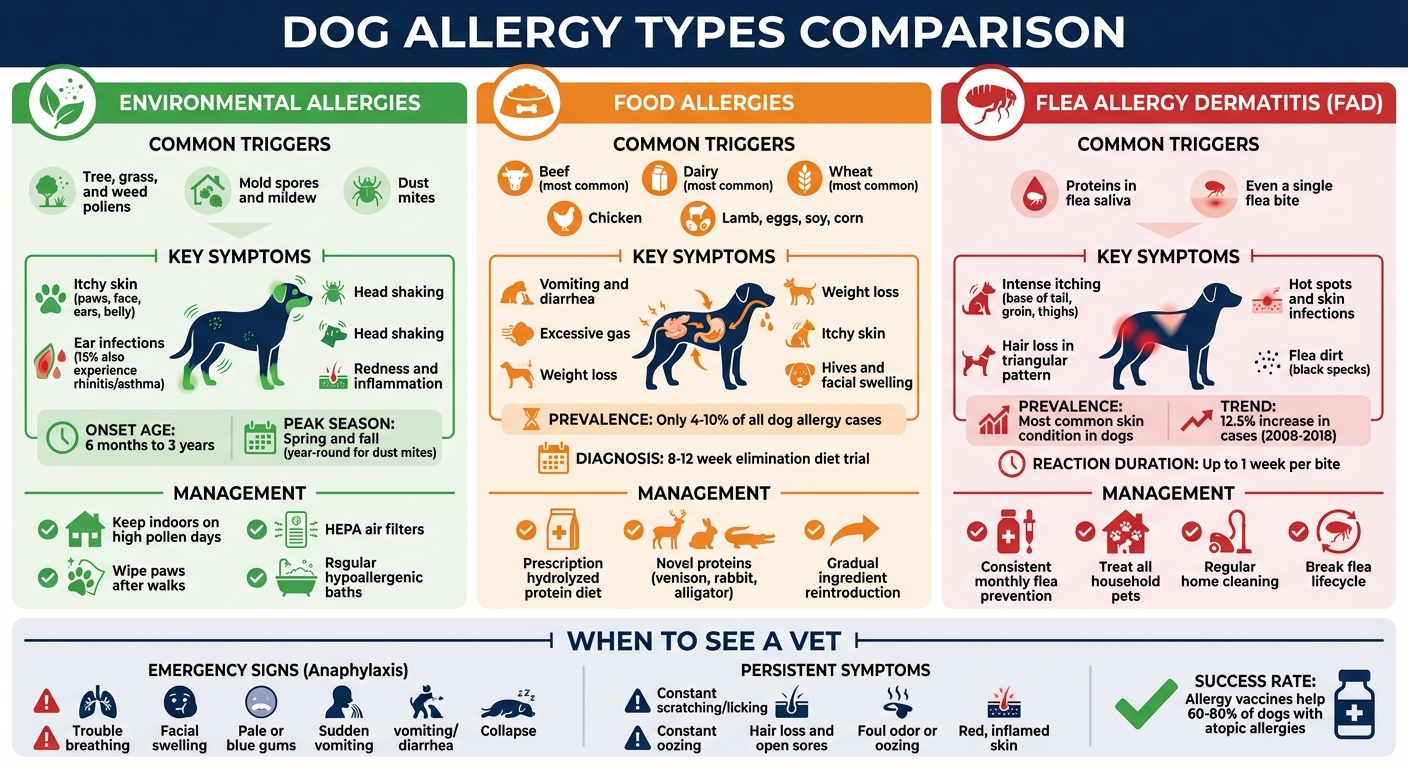
Dog Allergy Types: Symptoms, Causes and Treatments Comparison Chart
Pet Allergy Basics: Identifying and Managing Allergies in Dogs and Cats
sbb-itb-6d7d69d
What Are the Most Common Dog Allergy Symptoms?
Recognizing allergy symptoms in dogs early can make a big difference in managing their discomfort. One of the most obvious signs is itchy skin, which often leads to behaviors like scratching, biting, or licking. Pay close attention to areas like the paws, face, ears, belly, and the base of the tail, as these are common problem spots for allergic reactions. Allergies in dogs typically show up as skin irritations or digestive problems.
Dogs dealing with allergies may seem restless or irritable, sometimes rubbing their faces on furniture or carpets to find relief. Persistent scratching can even break the skin, allowing bacteria or yeast to cause infections, which can lead to "hot spots" that may need veterinary attention. Below, we’ll explore specific symptoms affecting the skin, ears, and digestive system.
Skin Problems: Itching, Redness, and Hair Loss
Constant licking or scratching can point to sensitivities, whether from food or environmental factors. Even if your dog’s skin seems fine at first, repeated scratching can lead to redness, inflammation, or even thickened or discolored skin over time. You might also notice bald spots, scaling, or areas of hair loss.
Flea allergies, however, tend to show up differently. Dogs with flea allergy dermatitis often scratch intensely around their lower back and the base of their tail. Even if you don’t see fleas, look for "flea dirt" - tiny black specks that resemble coffee grounds. In some cases, just one flea bite can cause a strong immune reaction, making symptoms much worse.
Ear Problems: Infections and Head Shaking
Frequent ear infections can be a red flag for allergies. Signs to watch for include redness, swelling, or a strange odor coming from your dog’s ears. Dogs with ear discomfort might shake their heads repeatedly or scratch their ears using their hind legs. Sometimes, they’ll even rub their ears against furniture or the floor. About 15% of dogs with environmental allergies may also experience nasal inflammation (rhinitis) or asthma-like symptoms. While respiratory issues like sneezing are less common than skin problems, any ongoing symptoms should be discussed with your vet.
Digestive Issues: Vomiting and Diarrhea
Allergies, particularly food-related ones, can also upset your dog’s digestive system. Watch for signs like vomiting, diarrhea, loose stools, excessive gas, or unexplained weight loss. Dr. Jerry Klein, Chief Veterinary Officer at AKC, notes:
Food allergies are not as common as you might think. True food allergies result in an immune response, which can range in symptoms from hives, facial swelling, and itchiness to gastrointestinal signs.
Changes in appetite, especially when paired with digestive issues, can signal food sensitivities. However, true food allergies are relatively rare, accounting for only 4% to 10% of all dog allergy cases. Environmental factors are much more likely to be the cause.
What Causes Allergies in Dogs?
Understanding what triggers allergies in dogs is key to managing and preventing them effectively. Allergies occur when a dog's immune system overreacts to substances it mistakenly sees as harmful. As Bond Vet describes:
"Allergies are an overreaction of your dog's immune system. For example, if the immune system detects pollen or dust... those substances get treated like a foreign invader - as if they were a virus or bacteria."
This reaction causes allergens to bind to antibodies, which then activate mast cells to release histamines. The result? Inflammation, redness, swelling, and relentless itching. Allergies in dogs can stem from environmental triggers, certain food ingredients, or flea bites - each requiring its own approach to care.
Environmental Allergies: Pollen, Dust, and Mold
Environmental allergens like tree, grass, and weed pollens, along with mold spores, mildew, and dust mites, are among the most common triggers. Dogs can encounter these allergens by breathing them in or through skin contact. Some dogs are genetically predisposed to develop atopic dermatitis (atopy), a condition where they become sensitized to environmental allergens. This condition typically surfaces between 6 months and 3 years of age.
Seasonal allergies tend to spike during spring and fall when pollen levels are high, whereas indoor allergens, like dust mites, can cause symptoms year-round. To minimize exposure, you can:
- Keep dogs indoors on days with high pollen counts.
- Wipe their paws after walks.
- Use air purifiers with HEPA filters.
- Bathe them regularly with hypoallergenic shampoos.
These small steps can go a long way in reducing your dog's discomfort.
Food Allergies: Proteins and Grains to Avoid
When it comes to food allergies, proteins are usually the main culprits. Common offenders include beef, dairy, chicken, wheat, lamb, eggs, soy, corn, and even walnuts, with dairy, beef, and wheat being the most frequent triggers. Interestingly, grains are often unfairly blamed, as animal proteins are far more likely to cause issues. Food allergies can take time to develop - your dog might eat the same food for years before their immune system starts to react.
Dr. Marta Vidal-Abarca explains:
"A dog eats the same food for years and, eventually, the overexposure sets off the immune system and allows enough time for antibodies to build up."
If you suspect a food allergy, your veterinarian may recommend an elimination diet trial lasting 8 to 12 weeks. This involves feeding your dog a prescription hydrolyzed protein diet or a novel protein source like venison, rabbit, or alligator. During this period, all other protein sources should be avoided. Once symptoms improve, ingredients can be reintroduced gradually to identify the allergen.
Now let’s look at flea allergy dermatitis, another common trigger for dogs.
Flea Allergy Dermatitis: Symptoms and Prevention
Flea allergy dermatitis (FAD) is the most common skin condition in dogs. It occurs when a dog’s immune system overreacts to proteins in flea saliva. Even a single flea bite can cause a severe reaction that may last up to a week, especially in dogs that have been repeatedly exposed to fleas.
Dr. Malcolm Weir, DVM, highlights:
"The FAD dog will react to a single bite with severe local itching."
Dogs with FAD often experience intense itching, particularly around the base of the tail, groin, and thighs. This can lead to hair loss in a triangular pattern from the middle of the back to the tail. Between 2008 and 2018, flea allergy cases in dogs increased by 12.5%. To manage FAD, consistent flea prevention is essential. Use monthly treatments, clean your home regularly, and ensure all pets in the household are treated to break the flea lifecycle effectively.
How to Manage Dog Allergy Symptoms
Once you've pinpointed the cause of your dog's allergies, the next step is finding ways to manage the symptoms and keep your furry friend comfortable. A mix of home remedies, professional care, and targeted supplements can make a big difference in their well-being. Here's a closer look at natural remedies, when to consult a vet, and a supplement option that could help your dog feel better.
Natural Remedies for Itch Relief
Simple home remedies can often ease mild to moderate allergy symptoms. Omega-3 and Omega-6 fatty acids are known for their anti-inflammatory properties, which can help improve skin health and reduce irritation. You can find these in fish oil supplements or specially designed allergy chews.
Another great option? Oatmeal baths. These can soothe itchy, irritated skin when done every 2 to 4 weeks. Use lukewarm water and a fragrance-free, hypoallergenic shampoo. Let the oatmeal shampoo sit on your dog’s skin for 10 to 15 minutes before rinsing to maximize its calming effects.
Other helpful steps include wiping your dog’s paws after walks, washing their bedding weekly in hot water (at least 130°F), and using HEPA air filters to reduce allergens in your home. These small changes can make a big difference.
Probiotics are another option to consider. They can support your dog’s gut and skin health while helping regulate their immune system’s response to allergens. Just keep in mind that results might take a few weeks to show. For quick relief from localized inflammation, like insect bites, applying a cool compress can help soothe the area.
When to See a Veterinarian
While home remedies can be effective for mild cases, some symptoms call for immediate veterinary care. Signs of anaphylaxis - such as trouble breathing, facial swelling, pale or blue gums, sudden vomiting or diarrhea, or collapse - require urgent attention. These symptoms can escalate quickly, and treatments like epinephrine or dexamethasone may be needed to stabilize your dog.
If your dog’s discomfort persists despite your efforts at home, it’s time to consult a vet. Symptoms like constant scratching, licking, or biting, along with hair loss, red or inflamed skin, open sores, or signs of infection (like foul odors or oozing), should not be ignored. These may indicate a more serious issue requiring professional intervention.
During the vet visit, expect a thorough physical exam and questions about your dog’s symptoms and parasite prevention. Your vet might perform skin scrapings, cytology tests, or blood work to rule out other conditions. For more complex cases, such as severe environmental allergies, a referral to a veterinary dermatologist may be necessary. They can perform intradermal allergy testing to develop a custom allergy vaccine, which has been shown to help 60% to 80% of dogs with atopic allergies.
Vet Treat Dog Allergy Chews for Symptom Relief
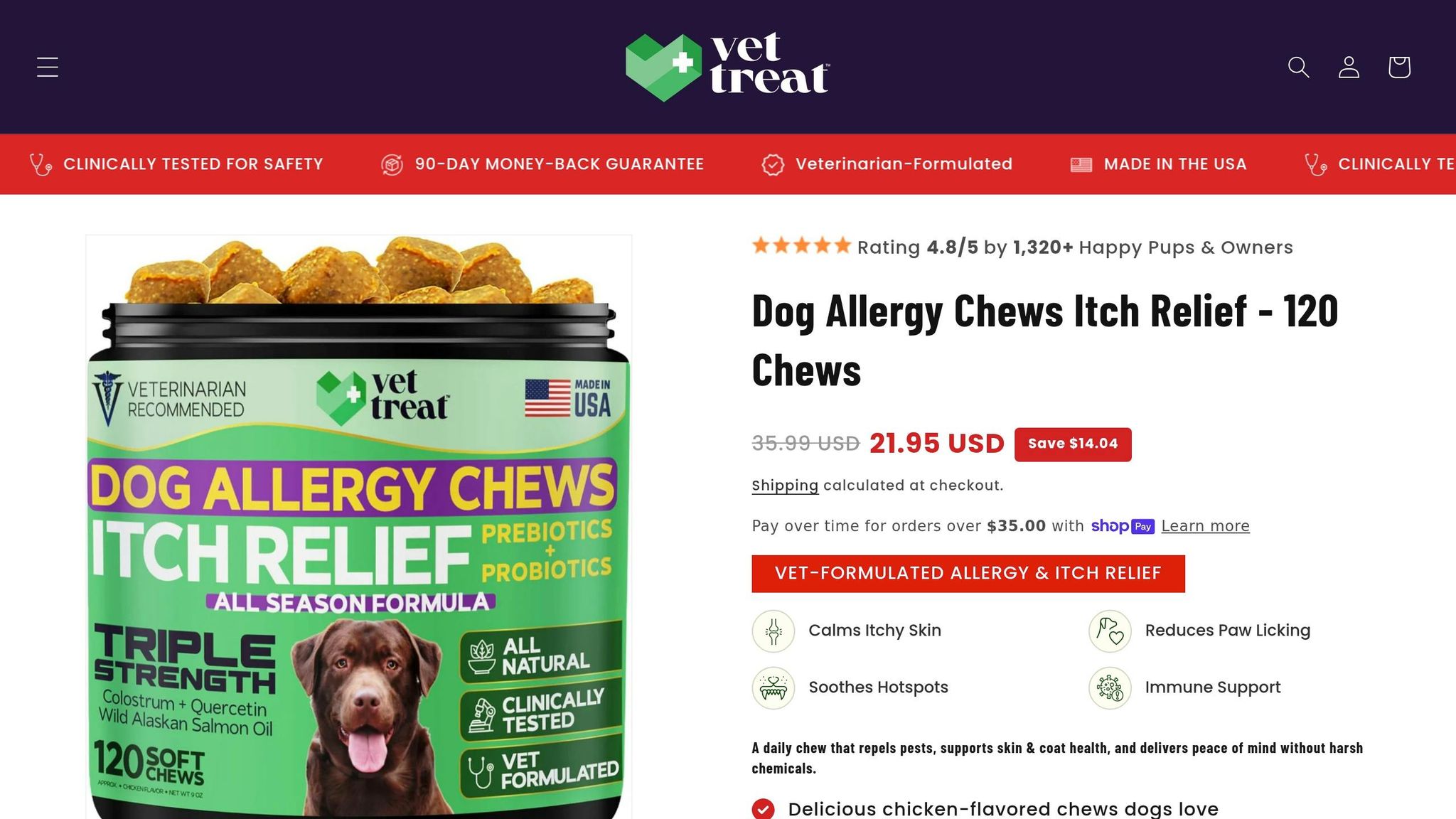
For year-round allergy management, Vet Treat Dog Allergy Chews provide a vet-approved, easy-to-use solution. These chews are packed with a triple-strength Omega-3 formula to reduce itching and promote healthier skin, offering relief without the side effects that some prescription medications can cause.
The non-drowsy formula is clinically tested and safe for daily use, no matter your dog’s breed or size. Made in the USA with non-GMO ingredients and no artificial flavors, these chews are a convenient way to support your dog’s health. When combined with regular bathing and allergen-reducing measures, they help keep your dog comfortable through every allergy season - and beyond.
Vet Treat Dog Allergy Chews: Product Comparison
Vet Treat Dog Allergy Chews are available in two sizes, both offering the same Triple Strength Itch Relief formula packed with Omega-3 fatty acids. Choosing the right size depends on your dog's needs and your budget. Here's a quick breakdown to help you decide.
Product Comparison Table
| Product | Price | Chew Count | Key Ingredients | Benefits |
|---|---|---|---|---|
| Dog Allergy Chews Itch Relief (120 Chews) | $21.95 | 120 | Omega-3 Fatty Acids | Triple Strength Itch Relief, Clinically Tested, Non-Drowsy |
| Dog Allergy Chews Itch Relief (170 Chews) | $23.95 | 170 | Omega-3 Fatty Acids | Triple Strength Itch Relief, Clinically Tested, Non-Drowsy |
The 170-chew option stands out with 50 additional chews for just $2.00 more. That breaks down to 14¢ per chew compared to 18¢ per chew for the smaller size. For dogs needing daily supplementation, especially during allergy season, this larger option offers better value and long-term savings.
Vet Treat Dog Allergy Chews are made in the USA using non-GMO ingredients and contain no artificial flavors. Designed for year-round use, these chews provide non-drowsy relief and help protect against allergies, fleas, and ticks. They are suitable for all breeds and come highly recommended by veterinarians.
If your dog experiences mild to moderate seasonal allergies, the 170-chew option is often the smarter choice. With over 1,320 satisfied pet parents already relying on Vet Treat products, you’ll be joining a growing community dedicated to keeping their dogs comfortable and itch-free all year long.
Conclusion
Spotting allergy symptoms in dogs early can significantly improve their comfort and overall health. Common signs include excessive itching, scratching, and licking, which often point to underlying issues. The primary culprits? Flea saliva, environmental allergens like pollen and dust mites, and certain food proteins such as chicken or beef.
Tackling allergies usually involves a combination of strategies, including avoiding allergens, consistent flea prevention, and specific treatments tailored to your dog’s needs. Products like Vet Treat Dog Allergy Chews, enriched with Omega-3 fatty acids, can offer powerful itch relief while naturally reinforcing your dog's skin barrier - making them a helpful addition to your vet's prescribed plan.
As GeniusVets Editorial puts it:
"Dog allergies aren't necessarily cured, but, instead, they are managed."